Follow Me On Social Media!

Powdered Sugar Guide: Elevate Your Desserts with Ease

Introduction to Powdered Sugar Guide
Baking isn’t just about following a recipe; it’s about creating delicious memories and experiences. Among the myriad ingredients that can elevate your treats, powdered sugar stands out as a baking staple that transforms the ordinary into the extraordinary. Imagine a fluffy cake adorned with a delicate dusting, or rich frosting that glides smoothly over your baked goods—this is where powdered sugar shines.
So, what exactly is powdered sugar? It’s essentially granulated sugar that has been finely ground into a soft, white powder, often mixed with a small amount of cornstarch to prevent clumping. This magical transformation allows powdered sugar to dissolve quickly, making it perfect for frostings, glazes, and toppings, ensuring a creamy texture without the gritty feeling of granulated sugar.
What is Powdered Sugar and Why is it Essential in Baking?
Powdered sugar is not just an aesthetic choice; it’s an essential ingredient that plays a significant role in flavor and texture. It is prized for several reasons:
-
Smooth Frosting: When you whip up a batch of frosting for cakes or cookies, powdered sugar creates that dreamy, fluffy consistency that can’t be replicated with granulated sugar. The small particle size integrates smoothly with fats, leading to a luscious mouthfeel.
-
Quick Dissolving: Unlike granulated sugar, powdered sugar dissolves almost instantly, making it ideal for sauces and drinks. This property is particularly important in recipes where you want a seamless blend without graininess.
-
Versatile Uses: Whether you’re crafting a delicate meringue or a decadent icing, this sugar variant is your go-to. It can also serve as a finishing touch, adding an elegant touch to desserts when dusted on top.
-
Easy to Store: With a long shelf life, powdered sugar is a convenient pantry staple. Just keep it in an airtight container to maintain its integrity and avoid clumping.
In this Powdered Sugar Guide, we’ll explore tips, techniques, and recipes that showcase the versatile charm of powdered sugar. Get ready to take your baking from simple to sublime!
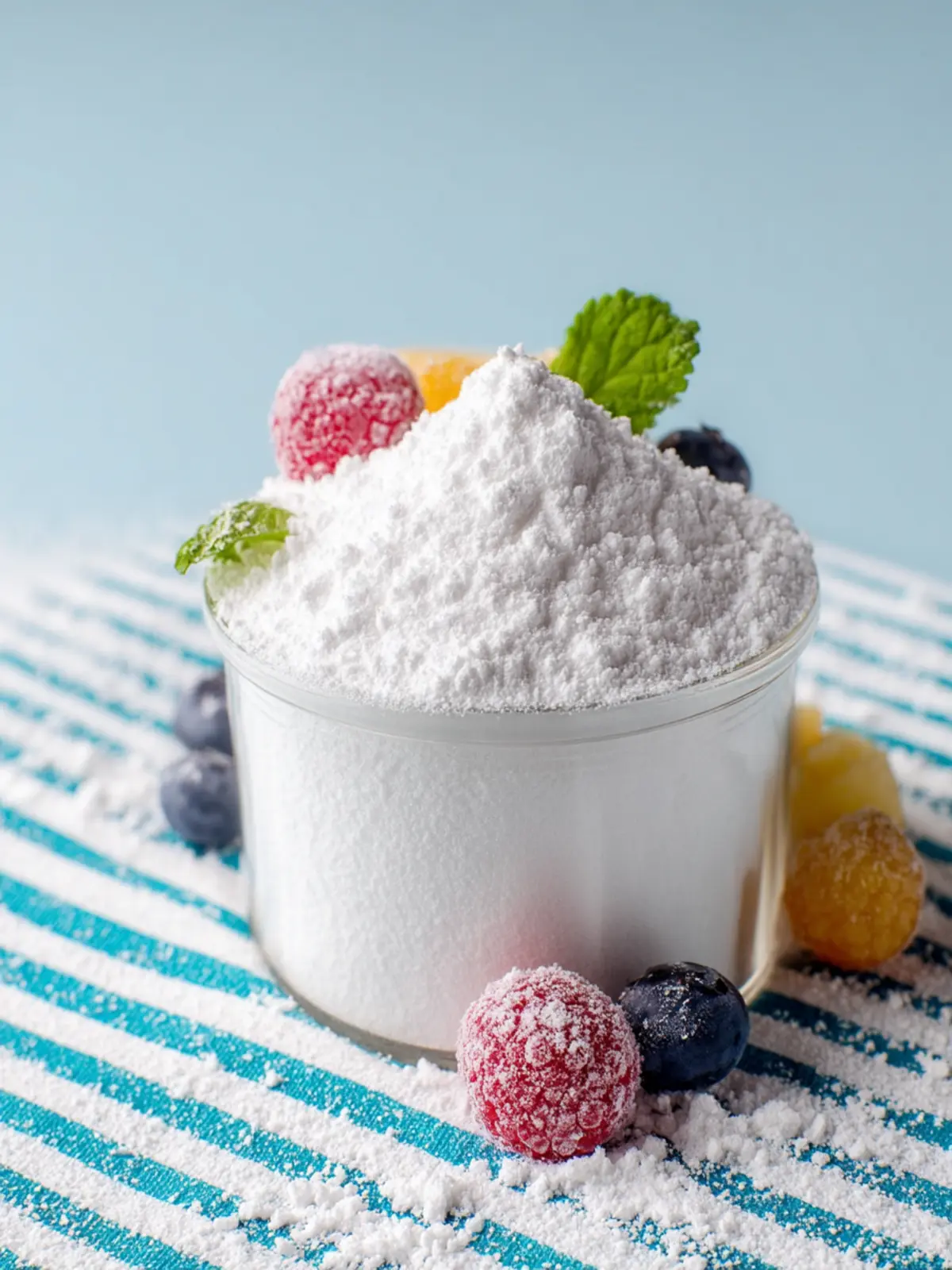
Key Ingredients for Powdered Sugar Guide
Creating your own powdered sugar at home is a rewarding process that allows you to tailor the texture and quality to your liking. The very foundation of this sweet staple lies in its key ingredients.
Granulated Sugar: I always start with granulated sugar for a fine texture that transforms beautifully into powdered sugar when blended. Not only is it readily available in any grocery store, but its flavor is pure and ideal for various recipes, whether I’m dusting it over cookies or blending it into frosting.
Cornstarch: To keep my homemade powdered sugar from clumping, I add a tablespoon of cornstarch. This simple yet effective addition enhances the quality by maintaining that delightful fluffy texture, making it easier to incorporate into your favorite baked goods. Trust me, it makes a noticeable difference!
Why You’ll Love This Powdered Sugar Guide
Discovering the magic of powdered sugar is like stepping through a sweet, fluffy door into the world of delightful desserts. Whether you’re icing a cake or dusting doughnuts, this powdered sugar guide is here to transform your baking adventures and elevate your creations.
One of the best aspects of delving into this guide is the plethora of techniques you’ll learn. You won’t just get the basics; we’ll dive deep into how to sift it for a light finish or how to make your own with granulated sugar and cornstarch when the store-bought option isn’t available.
Moreover, understanding powdered sugar’s role in recipes can change how you approach your baking. It’s not just a topping; it’s a critical ingredient that can impact the texture and sweetness of your treats. You’ll also find tips and tricks that save time and improve your skills in the kitchen.
Imagine impressing friends and family with beautifully decorated desserts that taste as good as they look. With our guide, you’ll gain confidence in your baking abilities, and who knows? You might even inspire others to join you in the kitchen. So, grab your apron and let’s get started on this sweet journey together!
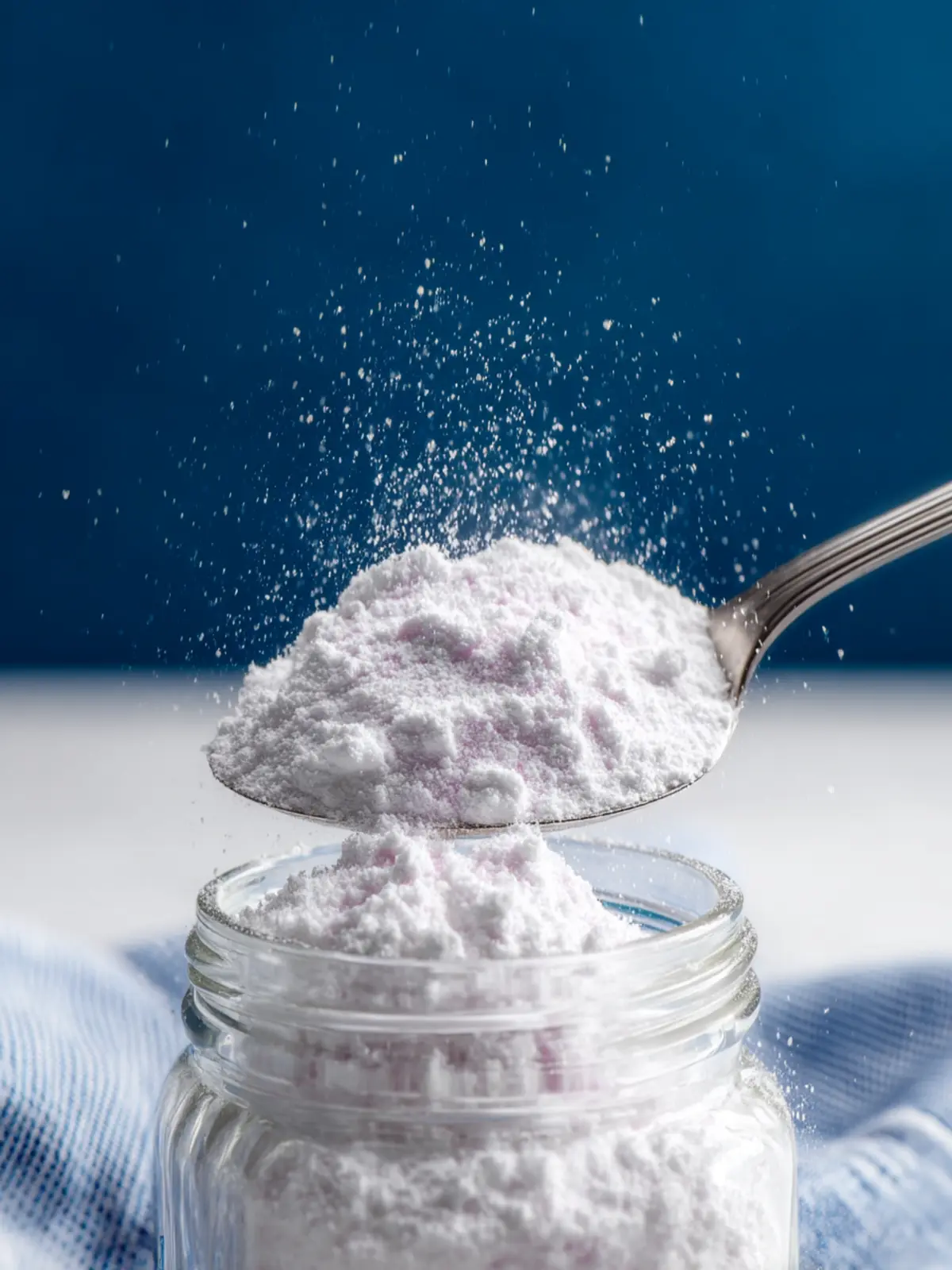
Variations on Making Powdered Sugar
Creating your own powdered sugar is a delightful experience, and experimenting with variations can take your culinary creations to the next level. Each variation adds a unique flair, allowing you to customize this sweet staple for different recipes and occasions.
Flavored Powdered Sugar: Adding Vanilla or Citrus Zest
Why settle for plain when you can elevate your powdered sugar with a burst of flavor? Adding vanilla extract or citrus zest transforms your sugar into something extraordinary. Simply blend 1 cup of granulated sugar with 1 teaspoon of vanilla extract or the zest of one lemon or orange in your food processor. This is ideal for dusting over cookies, cakes, or even pancakes, giving them that extra oomph. Just imagine the delightful aroma wafting through your kitchen!
Sugar Alternatives: Using Coconut Sugar or Monk Fruit Sweetener
If you’re watching your sugar intake, you’ll be pleased to know that alternatives like coconut sugar and monk fruit sweetener make fantastic substitutes. To create a powdered sugar version of these, follow the same method—blend until fine. Coconut sugar lends a rich, caramel-like flavor, while monk fruit sweetener offers a zero-calorie option without sacrificing sweetness. These adaptations offer delicious ways to enjoy sweetness without the guilt!
By incorporating these variations from this powdered sugar guide, you can personalize your baking projects and share unique treats with friends and family.
Cooking Tips and Notes for Powdered Sugar
Using powdered sugar can elevate your baking game, adding that perfect touch of sweetness and visual appeal. But mastering it comes down to a few essential tips. Let’s dive into how to make the most out of your powdered sugar experience.
Choosing the Right Blender
When grinding granulated sugar into powdered sugar, selecting the right blender is crucial. A high-speed blender or a food processor works best for this task. They can finely blend the sugar into a smooth, fluffy texture. Remember, not all blenders can handle this job equally; pick one with a good motor and sharp blades. If you’re in a tight spot, a spice grinder can also work wonders for smaller batches.
Tips for Achieving the Perfect Consistency
Consistency is key when using powdered sugar. Here are some tips to nail that perfect texture:
- Blend in small batches: This ensures even grinding. Too much sugar at once can lead to uneven consistency.
- Don’t rush the process: Allow the blender to do its job. This may take a minute or two, so be patient.
- Sift if necessary: If your sugar clumps, sifting is your best friend. This will help smooth out any lumps and keep the sugar airy.
- Storage Matters: Store your powdered sugar in an airtight container to prevent any moisture absorption.
With these insights, your powdered sugar creations will shine bright, whether you’re frosting a cake or dusting a dessert. Enjoy sweetening up your dishes!
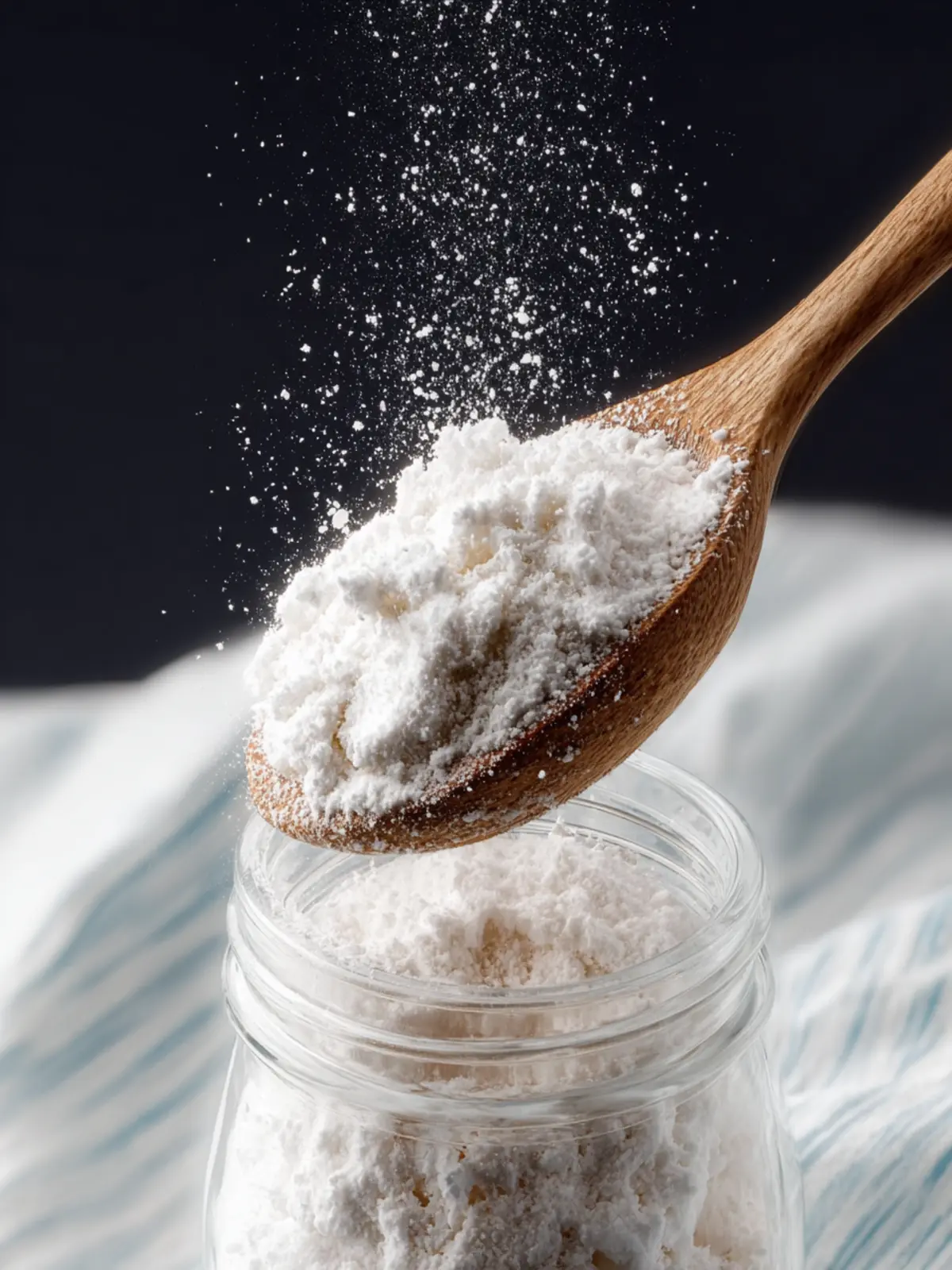
Serving Suggestions for Powdered Sugar
powdered sugar can transform even the simplest of treats into something extraordinary. Picture this: a freshly baked cupcake topped with a fine dusting of powdered sugar, capturing the eye and palate of anyone who crosses its path. This sugary magic can elevate your baking game in delightful ways!
Topping for Desserts and Pastries
Using powdered sugar as a topping is one of the most straightforward yet impactful ways to enhance your desserts. Simply sprinkle it over:
- Brownies: A light dusting adds a visual pop and a hint of sweetness without overwhelming chocolate flavors.
- Doughnuts: These sweet treats come alive with a generous coating, providing a delightful contrast to any glaze.
- Pancakes and Waffles: Elevate your breakfast by dusting them with powdered sugar, making them feel a bit more indulgent.
Incorporating in Frosting and Glazes
In your powdered sugar guide, consider incorporating it into frostings and glazes. Its fine texture blends seamlessly, yielding creamy, fluffy frostings that hold their shape.
- Buttercream Frosting: Combine with butter and vanilla for a classic topping to cakes and cupcakes.
- Glazes: Mix with milk or lemon juice to create a sweet glaze for pastries that adds shine and sweetness.
The versatility of powdered sugar makes it a must-have in your kitchen, offering endless possibilities to turn everyday desserts into something truly special. Whether sprinkling, frosting, or glazing, this ingredient will sweeten your culinary adventures!
Time Breakdown for Making Powdered Sugar
Making your own powdered sugar at home is a delightful experience, especially when you realize how swift and simple the process is! In this section, we’ll dive into the time it takes to create this sweet staple right in your kitchen.
Preparation Time
The preparation time for making powdered sugar is incredibly brief, taking only about 5 minutes. This includes gathering your ingredients and setting up your blender or food processor. It’s so straightforward that you’ll wonder why you ever bought it pre-made!
Blending Time
Once you’ve prepped, the blending time is just 30 seconds to 1 minute—a quick blitz is all it takes. You’re aiming for a fine, fluffy texture, so just keep an eye on it. It’s satisfying to see regular sugar transform before your eyes!
Total Time
In total, you’re looking at around 6 minutes from start to finish. Imagine being able to whip up a fresh batch of powdered sugar in the time it takes to brew your coffee! This quick method, as explained in our comprehensive powdered sugar guide, is perfect for recipes that call for that sweet, airy finish.
Nutritional Facts for Powdered Sugar
Entering the world of powdered sugar might seem all sweet and simple, but it’s worth popping open the details when you’re whipping up your favorite recipes. This sugary staple not only enhances the flavor but also packs some interesting nutritional info worth knowing.
Calories
One tablespoon of powdered sugar contains approximately 30 calories. While it may seem insignificant at first, those calories can add up quickly in larger quantities, especially when icing a cake or decorating cookies.
Sugar Content
Just like it sounds, powdered sugar is primarily pure sugar, with about 7 grams of sugar per tablespoon. This high concentration offers that delightful sweetness that makes it an essential ingredient in many desserts—just be mindful of how it fits into your overall daily sugar intake.
Alternatives Considerations
For those looking for options, you might consider alternatives like stevia or coconut sugar. While these can provide sweetness, they may lack the same texture or melting quality that powdered sugar brings to frostings and toppings. A quick swap can sometimes lead to drastically different flavors and consistencies! Keep this in mind as you navigate your powdered sugar guide.
FAQs about Powdered Sugar
When diving into the sweet world of powdered sugar, it’s common to have questions that pop up while baking or making delicious frostings. Here are some frequently asked questions that can help demystify this essential ingredient.
Can I use regular sugar instead of powdered sugar in recipes?
You might be tempted to swap regular granulated sugar for powdered sugar in recipes, but be cautious. Regular sugar doesn’t have the same fine texture, and it might not dissolve properly, leading to a gritty consistency in your frosting or whipped cream. However, if you’re in a pinch, you can blend granulated sugar in a blender or food processor to create a homemade version of powdered sugar!
How long can I store homemade powdered sugar?
Homemade powdered sugar generally has a shelf life similar to that of granulated sugar. If stored in an airtight container in a cool, dry place, it can last for several months. Just remember to check for any clumping or moisture—if it’s clumpy, a quick pulse in the blender can restore its fluffy texture.
Is powdered sugar the same as confectioners’ sugar?
Great question! Yes, powdered sugar and confectioners’ sugar are actually the same ingredient; the terms are often used interchangeably. Both names refer to finely ground sugar that typically contains a small amount of anti-caking agent to prevent lumps. This sugar is perfect for creating smooth icings and dusting on desserts.
With these insights, you’re all set to handle whatever your baking adventure throws at you!
Conclusion on the Powdered Sugar Guide
In wrapping up our powdered sugar guide, remember that this versatile ingredient can elevate your desserts to new heights. Whether you’re whipping up a delicate frosting or a light dusting for a charming presentation, understanding how to use powdered sugar properly makes all the difference.
Here are a few key takeaways:
- Use fresh powdered sugar for best results.
- Adjust quantities based on desired sweetness or texture.
- Experiment with flavors and presentations to impress guests.
With these tips, your baking endeavors will surely bring joy, not just for you, but for everyone who gets to enjoy your delightful creations!
Print
Blender Sugar and Cornstarch
- Total Time: 5 minutes
- Yield: 1 cup powdered mixture 1x
Description
This recipe explains how to make a powdered mixture of granulated sugar and cornstarch using a high-powered blender.
Ingredients
Scale
- 1 cup (200g) granulated sugar
- 1 tablespoon cornstarch
Instructions
- Add both sugar and cornstarch to a high powered blender.
- Process until powdery.
- Measure before using according to recipe.
Notes
- Ensure the blender is powerful enough to achieve a fine powder.
- Store any leftover mixture in an airtight container.
- Prep Time: 5 minutes
- Category: Baking
- Method: Blending
Nutrition
- Serving Size: 1 tablespoon
- Calories: 48
- Sugar: 12
- Sodium: 0
- Fat: 0
- Saturated Fat: 0
- Unsaturated Fat: 0
- Trans Fat: 0
- Carbohydrates: 12g
- Fiber: 0g
- Protein: 0g
- Cholesterol: 0mg