Follow Me On Social Media!

How to Cook Couscous: The Best Fluffy Delight at Home

Introduction to How To Cook Couscous
Learning how to cook couscous is like uncovering a culinary treasure trove, especially for busy professionals navigating the fast-paced world of work and life. Picture this: it’s a weeknight, you’re juggling conference calls and deadlines, and the last thing you want is a complicated meal prep that eats into your valuable time. Couscous steps in as your culinary sidekick, transforming into fluffy, delicious grains ready in mere minutes.
Originating from North Africa, couscous is often misunderstood as a grain, but it’s actually tiny pasta made from semolina flour. This versatility allows it to soak up flavors beautifully, be it in a vibrant salad, a hearty stew, or as a side dish. When cooked correctly, couscous can elevate any meal, making it a powerhouse for those striving to eat well amid a hectic schedule.
Why Couscous is a Game Changer for Busy Professionals
-
Quick Preparation: One of the best aspects of couscous is its minimal cooking time. In about 10 minutes, you can go from dry grains to a flavorful dish. Simply pour hot water or broth over the couscous, cover, and let it steam. It’s fast enough for even the busiest of weekdays.
-
Versatility: Couscous is like a blank canvas for your creativity. You can add vegetables, nuts, proteins, or spices to create an array of delicious dishes. Whether you desire a refreshing summer salad or a warming winter bowl, couscous can adapt.
-
Healthy Option: Couscous is not only quick to prepare but also a light, wholesome option that keeps you feeling satisfied without weighing you down. It’s a delightful alternative to rice or pasta, providing a balance of carbohydrates without the heavy feeling that often accompanies heavier grains.
-
Budget-Friendly: Couscous is generally inexpensive and can be bought in bulk, which makes it an economical staple for your kitchen. These tiny pasta grains stretch a long way, allowing you to whip up several meals without breaking the bank.
So, if you are ready to embrace this gem in your cooking repertoire, let’s dive into the details of how to cook couscous and unlock its full potential!
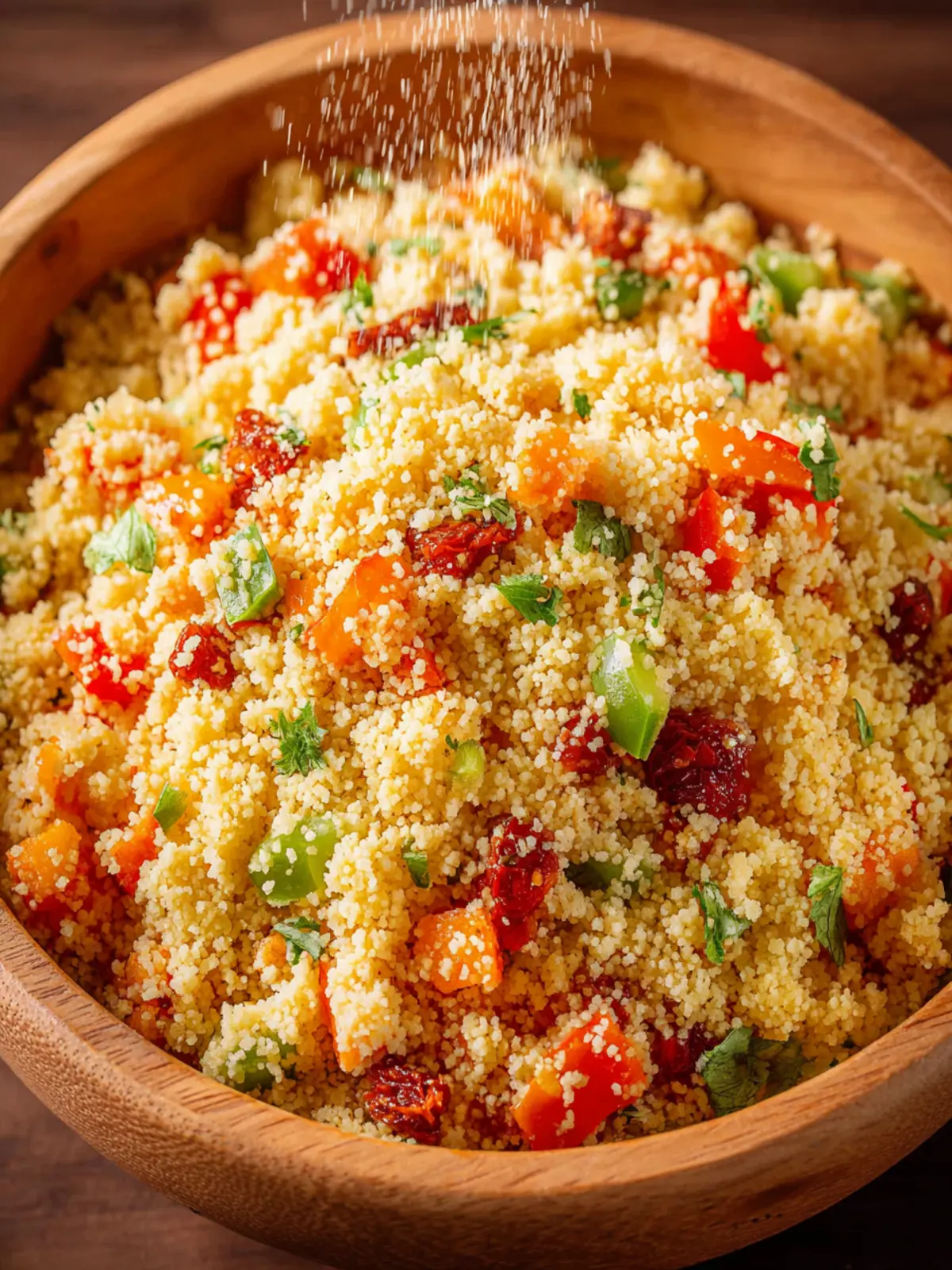
Key Ingredients for Cooking Couscous
Couscous: The star of the dish, offering a light texture and the ability to absorb flavors. Its quick cooking time makes it a fantastic base for countless meals, bringing a delightful fluffiness and a canvas for flavors.
Chicken Broth: Using chicken broth instead of water infuses the couscous with rich, savory flavor, taking a basic dish to a whole new level. It makes every bite packed with depth, ensuring your meal is satisfying and full-bodied.
Olive Oil: This key element adds a subtle, buttery richness to the couscous, enhancing its flavor profile. It also ensures a nice, fluffy texture without making it greasy.
Sea Salt: A touch of sea salt elevates the overall taste of the dish, balancing various flavors beautifully. It’s that secret ingredient that makes everything pop.
Spices: A blend of cayenne pepper, smoked paprika, garlic powder, onion powder, and saffron brings warmth and depth to the couscous, transforming it into a vibrant dish bursting with personality.
Unsalted Butter: This ingredient contributes creaminess and richness, making the couscous indulgently delicious and perfectly comforting.
Mixed Vegetables: The colorful assortment of zucchini, bell pepper, carrots, and peas adds nutrients, flavor, and visual appeal, making your dish not just tasty but also beautiful.
Why You’ll Love This Couscous Recipe
Couscous has a charming ability to complement both light salads and hearty stews, making it a versatile staple in any kitchen. When I first stumbled upon a simple yet flavorful couscous recipe, I never imagined it would become a regular favorite in my weeknight dinners.
Here are a few reasons you’ll adore this dish:
-
Quick and Easy: One of the joys of learning how to cook couscous is how effortlessly it comes together. With just a few ingredients and minimal cooking time, you’ll have a satisfying meal in no time.
-
Flavor Packed: The beauty of couscous lies in its adaptability. You can infuse it with spices, fresh herbs, or even broth for extra flavor, elevating it from a simple side to a delicious main dish.
-
Healthy and Nutritious: Couscous is not only filling but also a great source of carbohydrates, providing you with the energy you need to power through your day. Pair it with vegetables or proteins, and you’ve got a balanced meal.
-
Fun to Customize: Whether you prefer Mediterranean flavors with olives and feta or a zesty lemon herb twist, couscous serves as a perfect canvas for your culinary creativity.
Once you give this couscous recipe a try, it will likely become a beloved addition to your dining table!
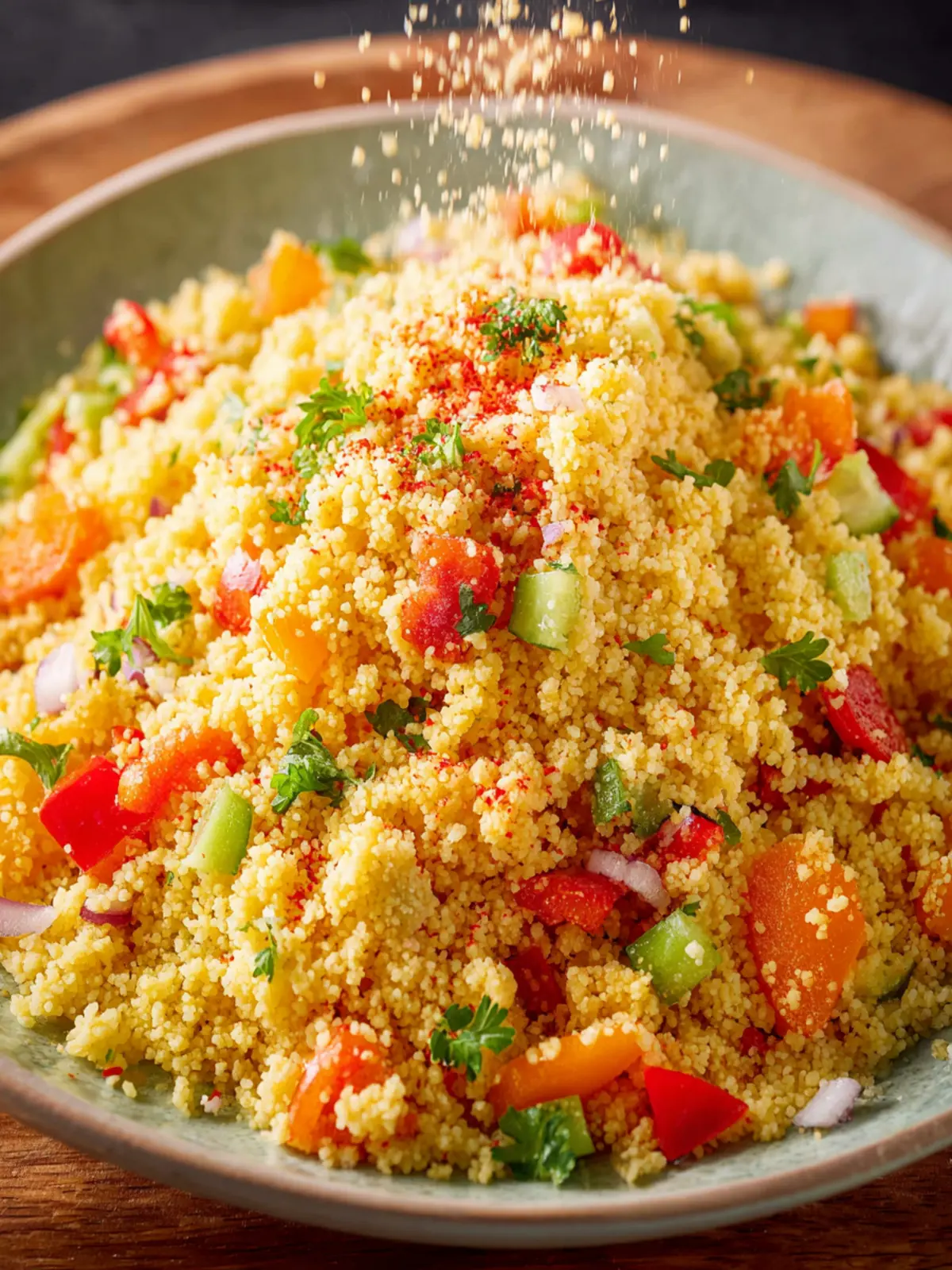
Variations on This Couscous Recipe
Creating a delicious couscous dish is just the beginning! There’s a whole world of variations waiting to elevate your meal. Explore these delightful options.
Alternative Protein Options
If you’re keen on adding protein to your couscous, consider these great alternatives:
- Chickpeas: These are a fantastic source of plant-based protein. Canned chickpeas make for a quick addition; just rinse and incorporate.
- Grilled Chicken: Marinated grilled chicken adds a savory twist. A light lemon and herb marinade can truly enhance the flavor.
- Tofu: For a vegetarian-friendly choice, use firm tofu. Cube it, sauté with spices, and toss it into your dish.
Each of these proteins will not only fill you up but also complement the fluffy texture of couscous beautifully.
Different Vegetable Combinations
Don’t hesitate to get creative with vegetables! Here are some combinations that can make your couscous sing:
- Roasted Vegetables: Try a mix of bell peppers, zucchini, and red onions, seasoned with olive oil and herbs.
- Steamed Greens: Kale or spinach can be lightly steamed and folded through your couscous for added nutrients.
- Frozen Peas and Corn: For something quick and sweet, just throw these in during the last minute of cooking.
The vibrant colors and textures will not only please your palate but also brighten up your plate.
Flavor Infusions with Herbs
When you’re learning how to cook couscous, don’t underestimate the power of herbs! They can transform your dish from simple to sensational:
- Fresh Parsley: A classic choice that adds freshness.
- Mint: Great for an unexpected burst of flavor; it pairs well with lemon and chicken.
- Cilantro: This herb provides a lively taste, especially when combined with lime.
By mixing and matching these options, you can create a couscous dish that’s uniquely yours!
Cooking Tips and Notes for Perfect Couscous
When you embark on the journey of how to cook couscous, the magic lies in the details. With some subtle techniques, you can transform simple couscous into a fluffy, flavorful side dish that elevates any meal.
Importance of Proper Cooking Techniques
Getting couscous just right requires understanding how water interacts with these tiny grains. Always ensure your water is at a rolling boil before adding the couscous. This quick burst of heat helps each grain expand evenly, yielding that light, airy texture you crave. Measuring the water-to-couscous ratio precisely, usually 1:1, is fundamental to a perfect outcome.
Resting Time After Cooking
Don’t rush to serve as soon as the couscous is done! Allow it to rest off the heat for about 5 minutes. This resting period lets the grains absorb any residual moisture, ensuring a well-cooked, non-clumpy dish.
Fluffing for the Perfect Texture
Once rested, take a fork and gently fluff the couscous. This final step breaks apart any grains that may have stuck together, creating that ideal lightness. Feeling adventurous? Toss in some olive oil or spices while fluffing to add an extra layer of flavor that turns your couscous into a star on your dinner plate.
By following these tips, your couscous can easily go from average to exceptional, making every bite a delight.
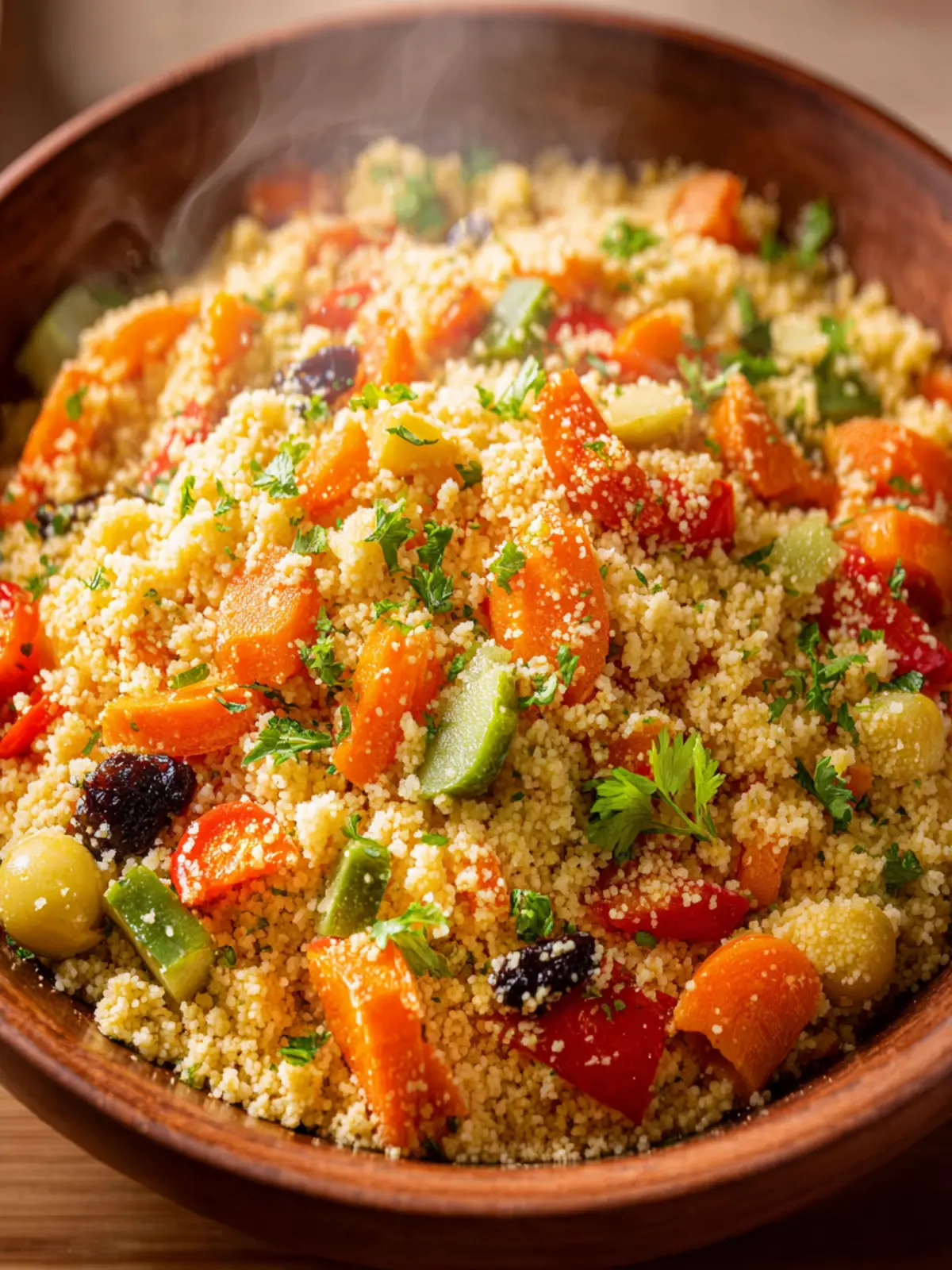
Serving Suggestions for Couscous
Couscous is a versatile and delightful grain that can elevate your meals in countless ways. Once you’ve mastered how to cook couscous, you’ll want to explore the dynamic world of pairings and flavors that can take this dish from simple to spectacular.
Pairing with Protein
To create a well-rounded meal, consider serving couscous with your favorite protein source. Grilled chicken, shrimp, or lamb pair perfectly with the fluffy grains. For a plant-based option, roasted chickpeas or sautéed tofu offer a fulfilling, tasty touch.
Creative Dressings and Sauces
Don’t shy away from getting creative with sauces! A drizzle of tahini or a zesty lemon vinaigrette can complement the couscous beautifully. Try adding harissa for a spicy kick or a cooling yogurt dressing for balance—there’s no wrong way to enhance your dish!
Using as a Side Dish or Main Course
Couscous shines as both a side dish and a main course. Serve it alongside roasted vegetables for a hearty side or transform it into a vibrant salad topped with fresh herbs, nuts, and fruits for a perfect lunch. Embrace the many possibilities!
Time Breakdown for Cooking Couscous
Cooking couscous is a delightful journey, transforming tiny grains into a fluffy and savory dish. Here’s a quick glance at the time commitment, so you can plan accordingly and enjoy every moment spent in the kitchen.
Preparation Time
To get started, you’ll need about 10 minutes for preparation. This includes measuring out your couscous and gathering any additional ingredients you’d like to enhance the flavor.
Cooking Time
The actual cooking time for couscous is impressively brief at just 10 minutes. Once you add boiling water or broth to the couscous, it absorbs the liquid quickly, making it a perfect choice for a fast meal.
Total Time
In total, you’re looking at a convenient 20 minutes from prep to plate. With this speedy approach, learning how to cook couscous not only enhances your culinary skills but also ensures you can whip up a delicious side dish or base for a meal in no time.
Nutritional Facts for Couscous
Couscous, a tiny pasta made from semolina wheat, brings a delightful texture and versatility to your meals. But beyond its culinary charm, understanding the nutritional facts for couscous can enhance your appreciation for this satisfying staple.
Serving Size
A typical serving size of couscous is about 1 cup (cooked). This portion provides an excellent base for various dishes, allowing for endless creativity in your cooking.
Key Nutrients
- Fiber: Couscous is a great source of dietary fiber, promoting healthy digestion.
- Protein: It contains a moderate amount of protein, making it a good option for vegetarian meals.
- Vitamins and Minerals: Rich in B vitamins, iron, and selenium, couscous contributes to your overall nutrient intake.
Health Benefits
Incorporating couscous into your diet can offer numerous health benefits. Its fiber content helps keep you full longer, potentially aiding in weight management. Additionally, the presence of antioxidants supports cellular health, while the minerals contribute to your daily nutritional needs. When exploring how to cook couscous, you’re not only enjoying a delicious dish but also reaping health rewards!
FAQs About Cooking Couscous
Cooking couscous might seem straightforward, but there are details that can make your experience even more enjoyable and delicious. Here are some frequently asked questions to help you on your culinary journey of how to cook couscous.
Can I use whole grain couscous?
Absolutely! Whole grain couscous, often referred to as “couscous blé complet,” boasts a nuttier flavor and a heartier texture compared to regular couscous. It is packed with fiber and nutrients, making it a healthier option. To cook whole grain couscous, simply follow the same method as regular couscous, but be mindful that it may require a slightly longer cooking time—often around 10 to 15 minutes. Always check the package for specific instructions, as cooking times can vary.
Is it possible to make couscous ahead of time?
Yes, making couscous ahead of time is a great idea! Cook it, let it cool completely, and then store it in an airtight container in the fridge. It can last for about 3 to 5 days. When you’re ready to serve, you can easily reheat it with a splash of water or broth to restore its fluffy texture.
How do I store leftover couscous?
Leftover couscous can be stored in the refrigerator in an airtight container. Make sure it’s cooled down before sealing it. If you find that couscous has become a bit dry, adding a drizzle of olive oil or a small bit of broth when you reheat it can do wonders for bringing back moisture and flavor.
Conclusion on Cooking Couscous
Learning how to cook couscous opens up a world of culinary versatility. With just a few simple ingredients like couscous, water, and a touch of olive oil, you can create a fluffy, delightful side dish or a hearty base for a variety of meals. As you’ve explored in this recipe, cooking couscous is not just easy; it’s also a chance to experiment with flavors and textures. Remember, whether you dress it with roasted vegetables or serve it alongside grilled meats, couscous will always be a satisfying addition to your plate. Enjoy the journey of making this lovely dish!
Print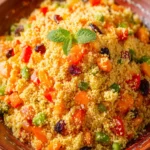
Couscous with Mixed Vegetables
- Total Time: 25 minutes
- Yield: 4 servings 1x
- Diet: Vegetarian
Description
A flavorful couscous dish combined with sautéed mixed vegetables.
Ingredients
Scale
- 1 1/2 cups couscous
- 3 cups chicken broth
- 1 teaspoon olive oil
- 1/2 teaspoon sea salt
- 1 teaspoon cayenne pepper
- 1 teaspoon smoked paprika
- 1 teaspoon garlic powder
- 1 teaspoon onion powder
- 1 teaspoon saffron
- 2 tablespoons unsalted butter (can sub for olive oil or oil of choice)
- 1 cup mixed vegetables (zucchini, bell pepper, carrots, and peas)
Instructions
- In a large pot, add the chicken broth and place over medium heat. Bring it to the boil.
- Once boiling, reduce to a simmer, add the olive oil and salt, and mix well. Add the dry couscous and cook for 1-2 minutes before removing from the heat.
- Allow the couscous to sit for 5-6 minutes or until most of the liquid has been absorbed.
- While this is happening, sauté the vegetables in a skillet until tender.
- After the liquid has been absorbed, fluff the couscous with a fork and add the cayenne pepper, smoked paprika, garlic powder, onion powder, and saffron and mix very well.
- Stir through the unsalted butter until the couscous is coated.
- Add the couscous to the skillet with the vegetables and mix until combined.
Notes
- This dish can serve as a side or a main course.
- Feel free to substitute vegetables based on your preferences.
- Prep Time: 10 minutes
- Cook Time: 15 minutes
- Category: Side Dish
- Method: Stovetop
- Cuisine: Mediterranean
Nutrition
- Serving Size: 1 cup
- Calories: 250
- Sugar: 2g
- Sodium: 400mg
- Fat: 10g
- Saturated Fat: 4g
- Unsaturated Fat: 6g
- Trans Fat: 0g
- Carbohydrates: 35g
- Fiber: 3g
- Protein: 7g
- Cholesterol: 15mg